How to Get the Darkest Bridal Henna Stain (From a Calgary Artist)
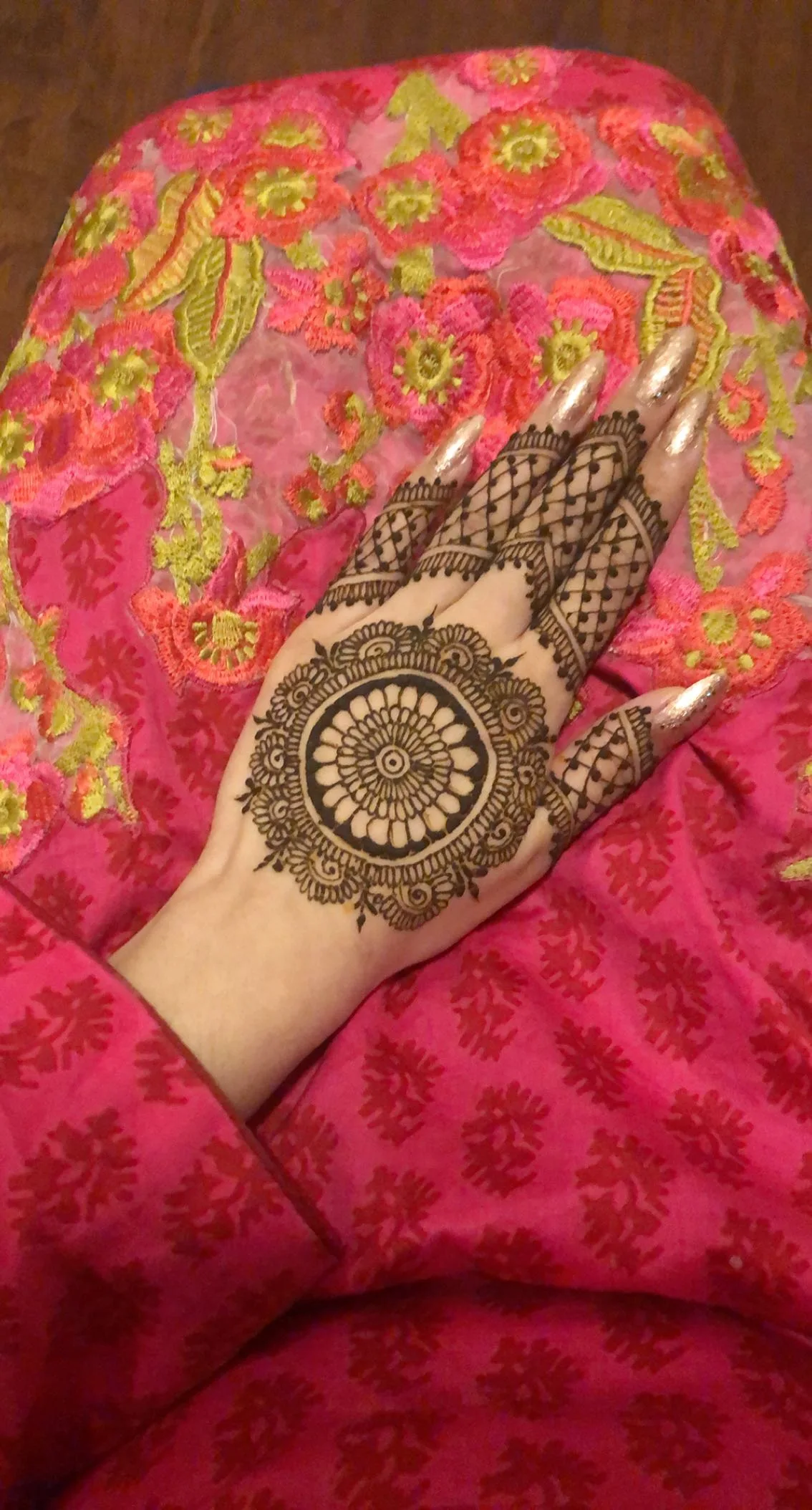
The darkest henna stain comes from fresh, natural paste applied to clean skin, left on for six to eight hours or more, kept warm, and protected from water for the first 24 hours after removal. After 13+ years of bridal work in Calgary, here's what I've learned: body heat, skin location, and the paste's freshness matter far more than any "secret trick" you'll read online.
Most brides hope for that deep, almost-maroon colour in their wedding photos, and the good news is that most of what controls it is in your hands — literally. Here's exactly how I coach my Calgary brides to get there.
What actually makes henna stain dark?
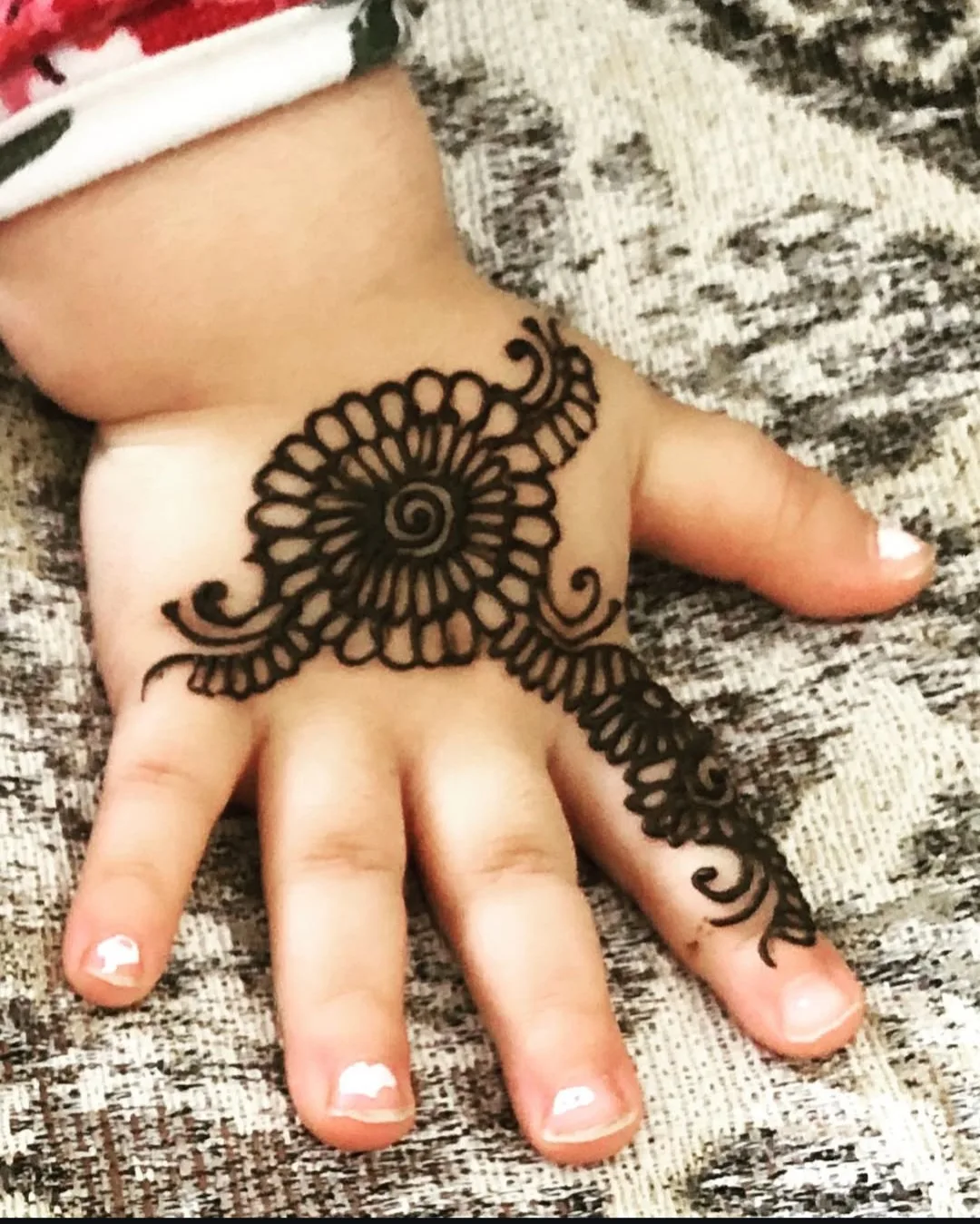
A dark stain is the result of chemistry, not luck — the colour depends on how much dye reaches your skin and how long it has to develop. The active ingredient is lawsone, the dye molecule in henna leaves, which bonds with keratin in the skin through a chemical reaction; the more lawsone that transfers and oxidises, the darker the final result.
That gives us three real levers:
- Lawsone concentration — fresh, quality paste carries more available dye
- Dwell time — the longer the paste sits, the more dye transfers
- Heat and oxidation — warmth drives the reaction and deepens the colour afterward
Almost every legitimate "darkening tip" is just one of these three in disguise.
What are the 5 phases of a great henna stain?
A great stain is built in stages, because what you do at each phase either feeds the dye reaction or interrupts it. Treat these as five distinct windows and you'll get the most colour your skin is capable of.
- Application — start with clean, dry, lotion-free skin; warm hands take dye better
- While the paste is wet (first hour) — don't disturb it; let it grip
- While it dries (hours 1–6) — stay warm, keep away from all water
- Removal (hours 6–12+) — scrape it off, never wash it off
- First 24 hours after removal — no water, no soap, stay warm while it oxidises
Does the lemon-sugar trick really make henna darker?
The famous lemon-sugar mixture helps, but not in the way most people think — it works by sealing, not by dyeing. Brushing on a light lemon-sugar glaze keeps the drying paste stuck to your skin longer, which extends dwell time; it doesn't add colour itself. The real magic is still heat plus time.
A word of caution I give every client: go light. Too much lemon-sugar leaves the paste gummy and can actually smudge a crisp bridal design. A thin layer once the paste has set is plenty.
Why does body location affect stain darkness?
Where you place a design changes how dark it can get, because skin thickness and blood flow vary across the body. Palms and fingertips stain darkest for the same reasons henna lasts longest there — and it's no accident that bridal designs concentrate the heaviest work on exactly those spots.
The pattern is consistent:
- Palms and fingertips: thickest skin, most keratin, warmest blood flow — deepest stain
- Backs of hands: rich but a shade lighter
- Forearms and feet: lighter again
- Body and arms: the lightest of all
If you dream of that inky palm colour in your photos, design accordingly.
What should you avoid in the first 48 hours?
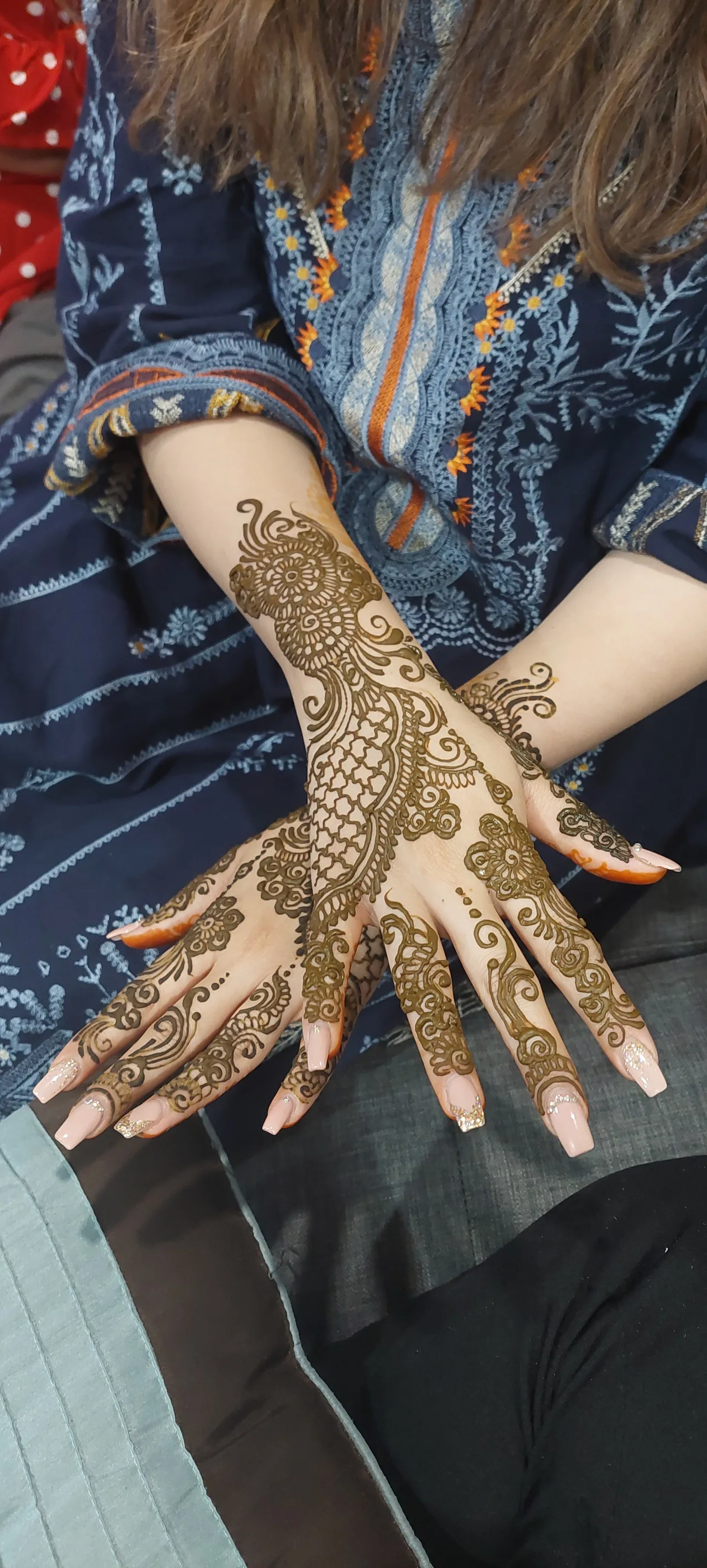
The first two days make or break the colour, because the stain is still oxidising and is vulnerable to anything that strips or dries the skin. This is the window where I see the most avoidable disappointment.
Stay away from:
- Hand sanitiser — alcohol is brutal on a fresh stain
- Soap and shampoo on the design
- Hot water, pools, and hot tubs
- Exfoliating products and scrubs
- Citrus-oil moisturisers that can lift colour
What should you do in the first 48 hours?
Just as important as what you avoid is what you actively do, because gentle protection lets the dye finish developing. These are the habits my brides build into their wedding week.
- Apply olive or coconut oil before any water exposure
- Wear gloves for dishes and wet chores
- Sleep with a clean cotton sock or glove over the hands (an old bride's trick)
- Skip the gym — sweat fades a young stain
- Stay warm; gentle heat helps oxidation
Does the artist's paste really affect how dark it gets?
Yes — significantly, because not all "henna" carries the same dye, and some carries no real henna at all. Fresh natural paste, mixed for your booking, holds the most active lawsone; aged store cones lose potency; and chemical "black henna" should never touch skin. The FDA warns that PPD-based black henna can cause serious reactions and is not approved for skin, and dermatology case reports tie it to burns, scarring, and lasting sensitisation.
How the options compare:
- Fresh natural henna (what I mix for every booking): deepest, safest colour
- Pre-mixed store cones: variable, often weaker
- "Black henna" with PPD: dangerous — refuse it, always
This is the same natural-paste tradition that's been refined for centuries; the Natural History Museum traces henna body art back through ancient Egypt and the Mughal era, long before any chemical shortcut existed.
Book with Henna by Arooj
Want bridal henna that photographs like art on your wedding day? Explore my Calgary bridal henna options — every booking is mixed fresh and natural. If you'd like to understand the colour timeline first, read how long does henna last, or learn exactly what goes into natural henna paste.
Frequently asked questions
Does henna get darker overnight?
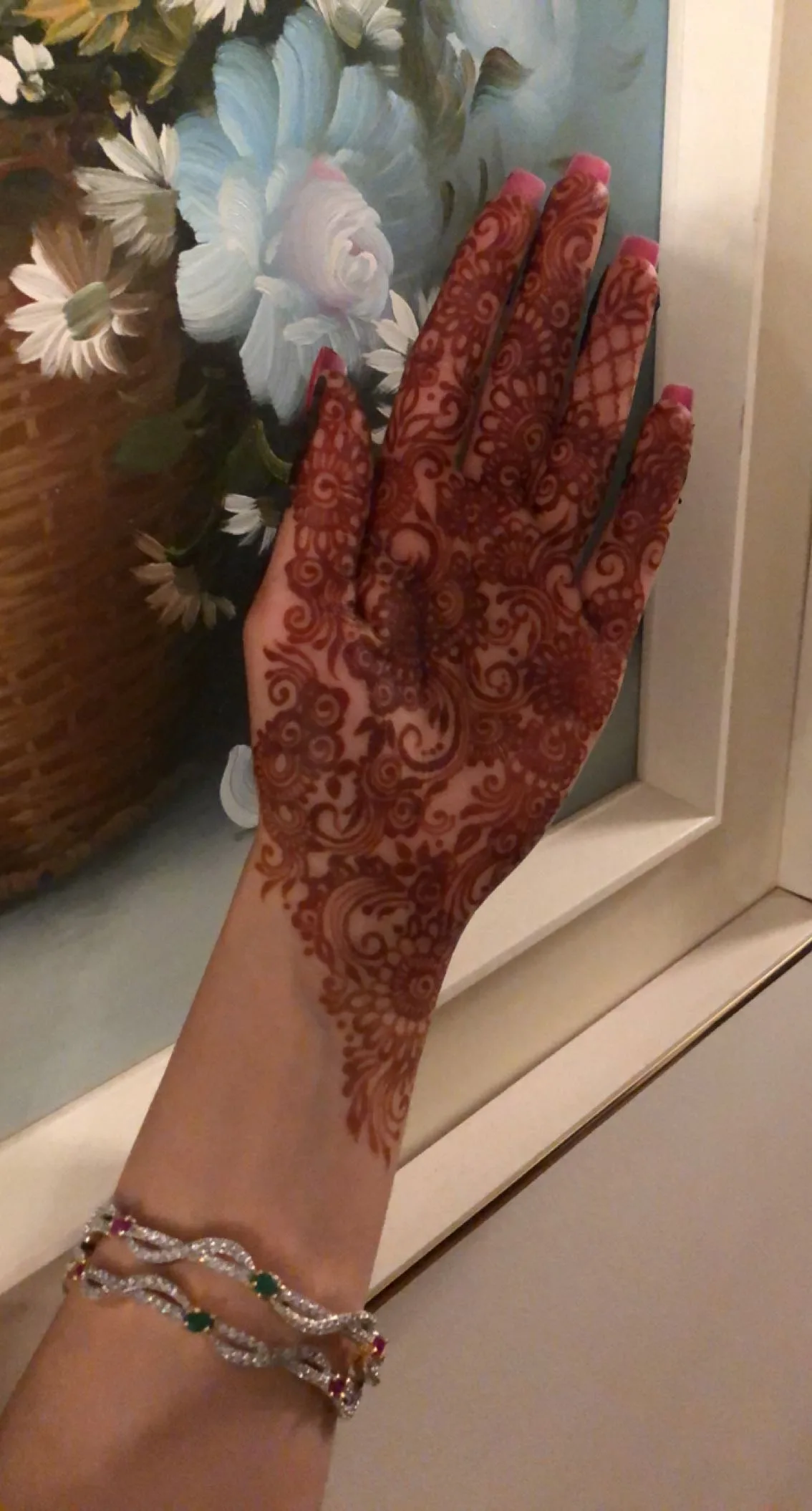
Yes. After the paste comes off, the stain keeps oxidising and deepening for 24–48 hours, so the colour you see at removal is far lighter than the final result. This is why I tell brides not to panic at the bright-orange stage — the rich colour arrives the next day.
How long until henna reaches peak colour?
Most stains reach their darkest point 24–48 hours after the paste is removed. Palms and fingertips often deepen the most because the skin there is thickest and grips the dye best.
Why is my henna lighter than my friend's?
Usually skin type and aftercare, not the henna. Drier, thicker skin holds a deeper stain, and someone who kept their hands out of water and away from sanitiser in the first day will end up darker. Fresh paste and longer dwell time also make a real difference.
Can I use Vicks VapoRub to make henna darker?
I don't recommend it. The eucalyptus aroma is why people associate it with darker henna, but the real dye-release work is done by the essential oils already in good natural paste, plus warmth and dwell time. Mentholated rubs can irritate skin and aren't a substitute for proper paste and aftercare.
Is 'black henna' the same as dark henna?
No — and this matters for your safety. A truly dark stain from natural henna is a deep reddish-brown or maroon. Jet-black 'black henna' usually contains PPD, a chemical that can cause severe burns and lifelong allergy. Natural henna never stains true black on day one, so treat instant black as a red flag.
Does drinking water or hydration affect henna darkness?
Indirectly. Well-hydrated, well-moisturised skin in the days before application tends to take a cleaner, more even stain, and warmth and circulation help the colour develop. But hydration on its own won't override the bigger factors: fresh paste, long dwell time, and careful early aftercare.
Book your Calgary henna session
Bridal mehndi, party & event henna, and private appointments by Arooj — 100% natural henna, custom freehand designs.
View the service →Related articles
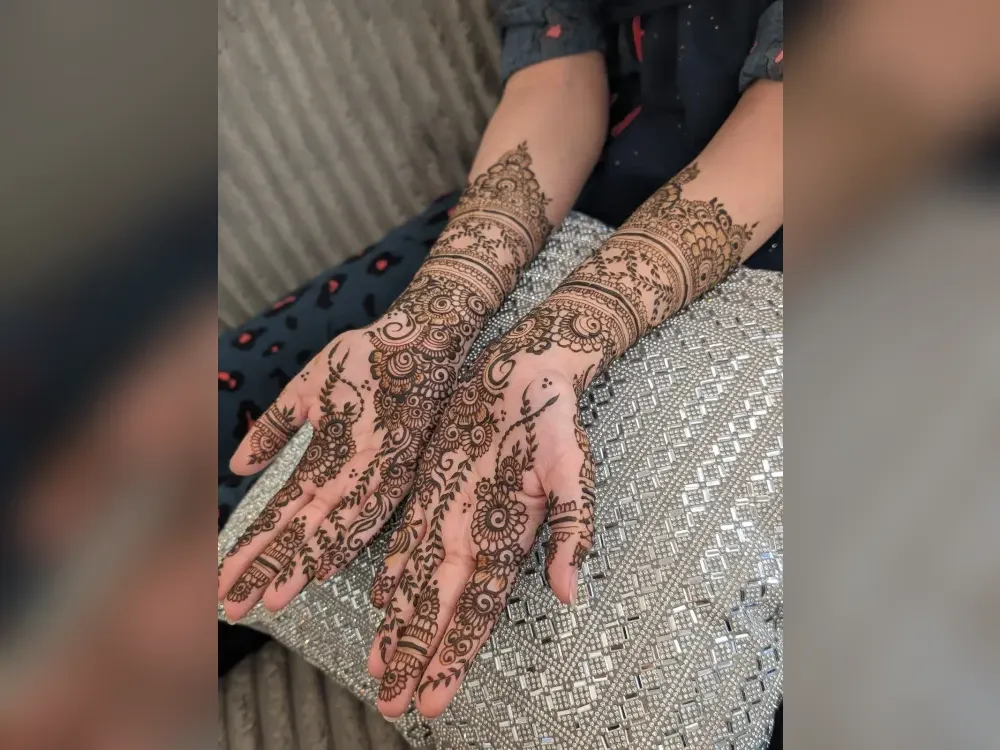
What's Actually in Natural Henna? (Ingredients, Safety, and Why It Matters)
Natural henna paste has four ingredients: henna powder, essential oils, sugar, and water. A Calgary artist explains what's really in the cone — and why chemical 'black henna' is not henna.
Read article →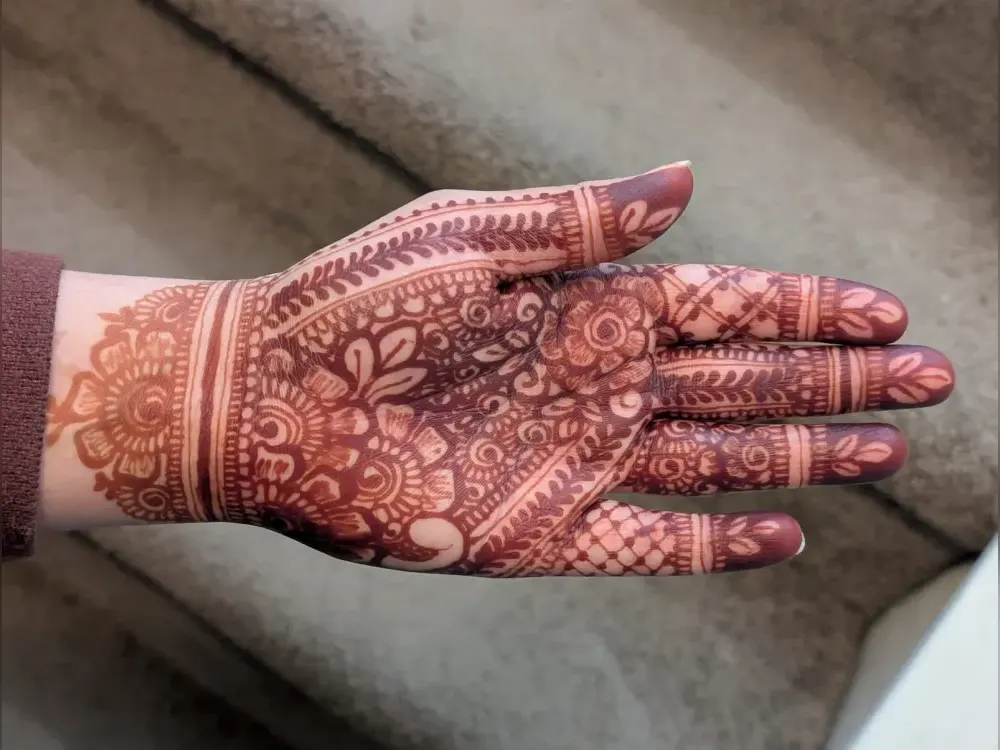
Henna vs Jagua: What's the Difference (and Which Should You Choose)?
Henna stains reddish-brown over 24–48 hours; Jagua stains blue-black within hours. A Calgary artist compares the two natural body arts — and warns why PPD 'black henna' is neither.
Read article →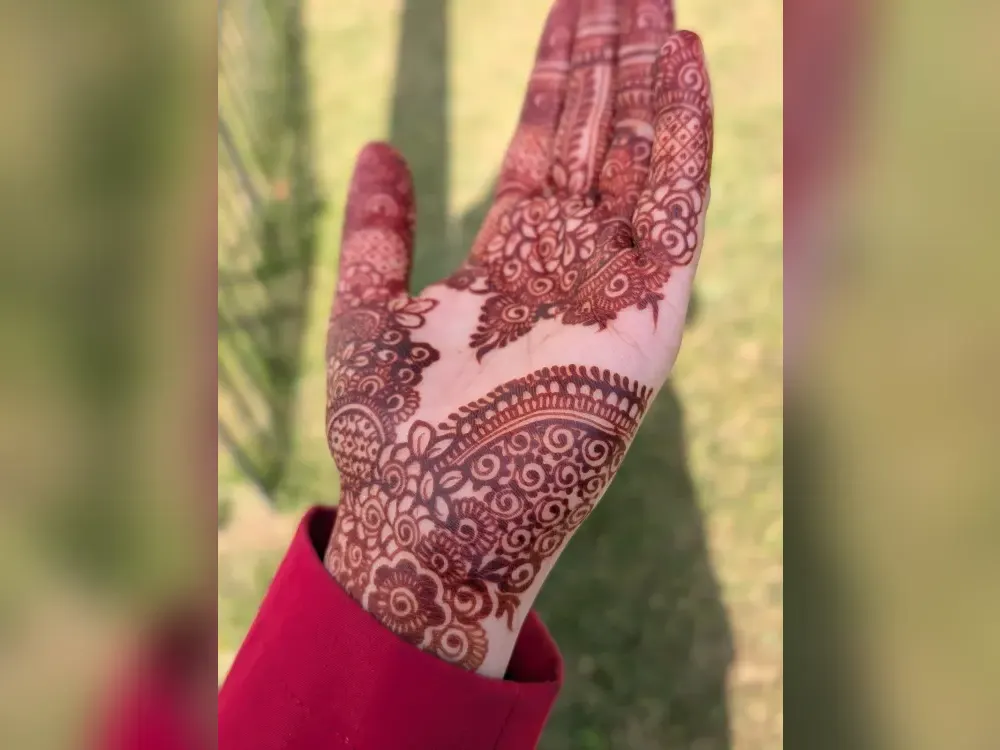
Why Some People Get Darker Henna Stains Than Others
Henna stain depth varies by skin chemistry, keratin density, body temperature, and aftercare — not the henna itself. A Calgary artist explains why your stain differs from your friend's.
Read article →