Why Some People Get Darker Henna Stains Than Others
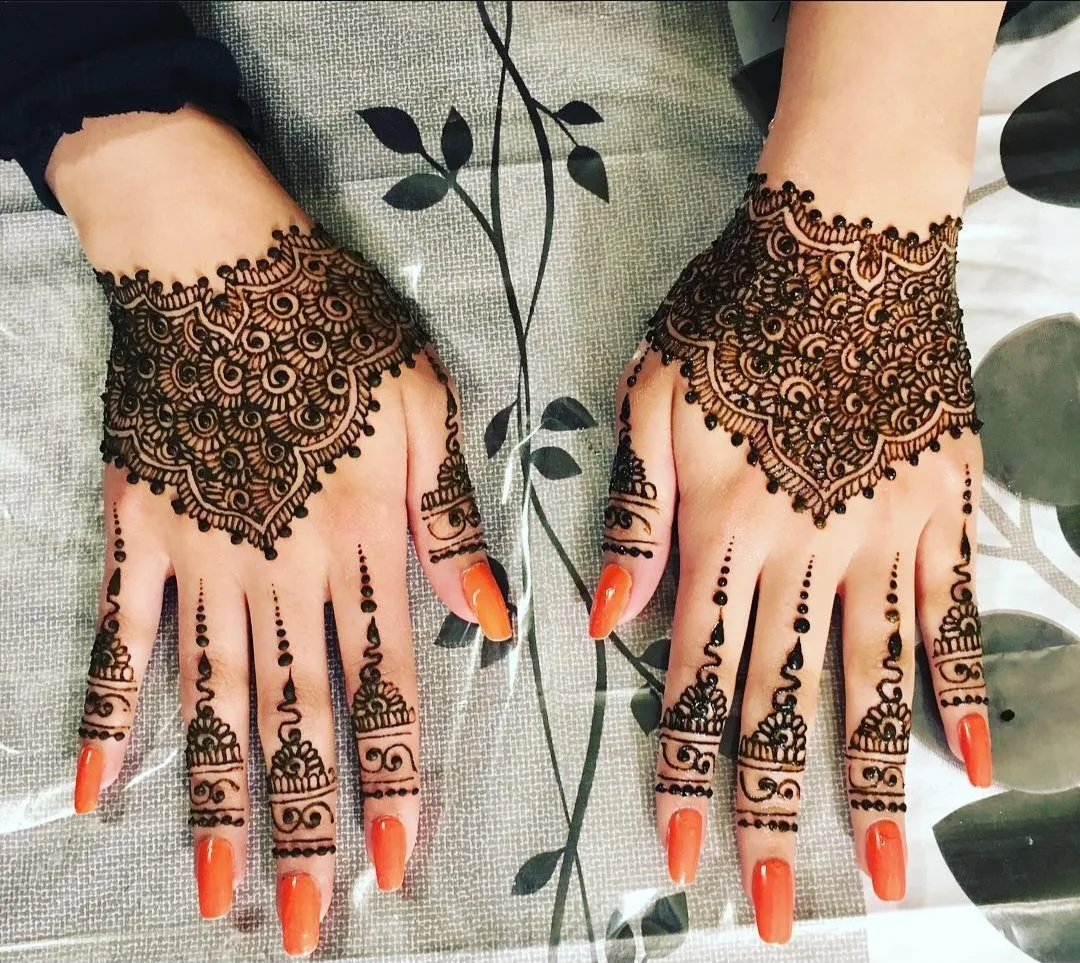
In Calgary? Karwa Chauth 2026 is Wednesday 28 October. Apply your mehndi on 27 October for peak colour — see the Karwa Chauth booking guide.
Henna stain depth varies from person to person mainly because of skin chemistry, keratin density, body temperature, and aftercare habits — not the henna itself. After 13+ years applying henna across Calgary, I've watched two sisters get the exact same design from the same cone on the same afternoon and end up with noticeably different colour. It's one of the most common questions I get, and the answer is more about biology than artistry.
So if your henna came out lighter than you hoped — or lighter than someone next to you — here's what's actually going on, and what you can do about it.
What determines how dark your henna stain gets?
Stain depth is the product of several factors stacking together, because the colour forms when dye binds to your skin and then develops over hours. The dye itself is lawsone, which reacts chemically with keratin in the skin — so anything that affects how much keratin is available and how long the dye sits will change your result.
The five factors that matter most:
- Skin chemistry — your skin's natural pH and oiliness
- Keratin density — how thick the outer skin layer is
- Body temperature and circulation — warmth drives the reaction
- Aftercare in the first 24–48 hours
- The paste itself — its freshness and quality
Notice that only one of those five is the henna. The other four are you.
How does skin chemistry affect your henna stain?
Your skin's chemistry sets the stage for how efficiently lawsone can bind, because the dye reaction works better on some skin surfaces than others. Slightly drier, slightly acidic skin tends to grip the dye well — which is part of why the old lemon-sugar sealing trick is associated with darker results.
A few chemistry-driven patterns I see constantly:
- Drier skin generally holds a deeper, longer stain than oily skin
- Less oily skin lets the paste sit in cleaner contact with the keratin
- Hormones, age, and hydration all shift your skin chemistry over time, so your own results can vary from one year to the next
This is also why a test patch at a trial is so useful — it reveals how your particular skin takes a stain before any big event.
Why do palms always stain darker, across all skin types?
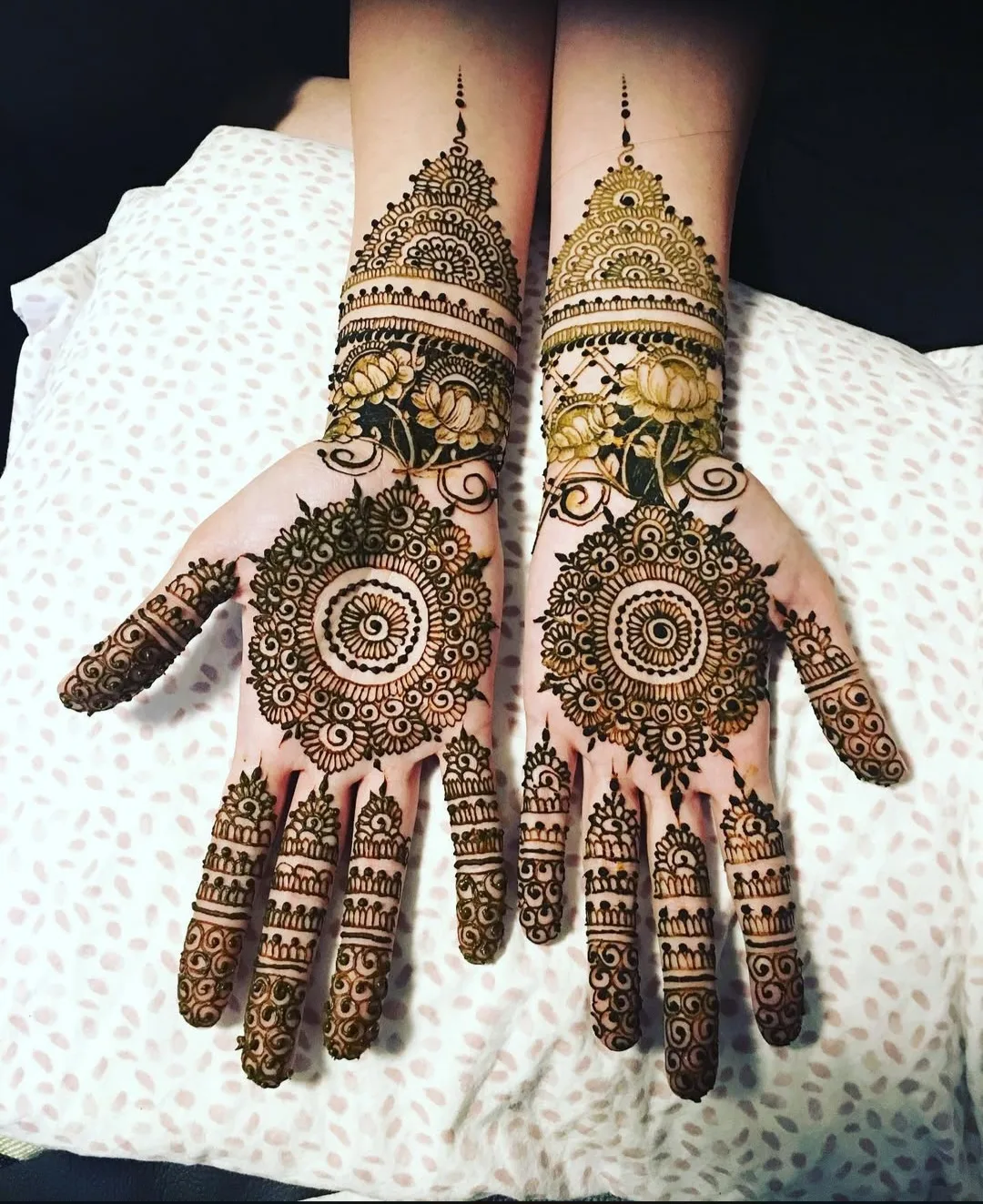
No matter whose hand it is, the palm wins, because it has the body's thickest skin and richest blood flow. More keratin means more for the dye to bind to, and warmer circulation helps the colour develop — a combination no other body part can match.
That's not a coincidence in design, either: bridal henna concentrates its densest, most intricate work on the palms and fingertips precisely because the colour will look its best there regardless of who's wearing it. If you want the deepest possible colour in your photos, design for your palms.
Does a darker skin tone hold henna better?
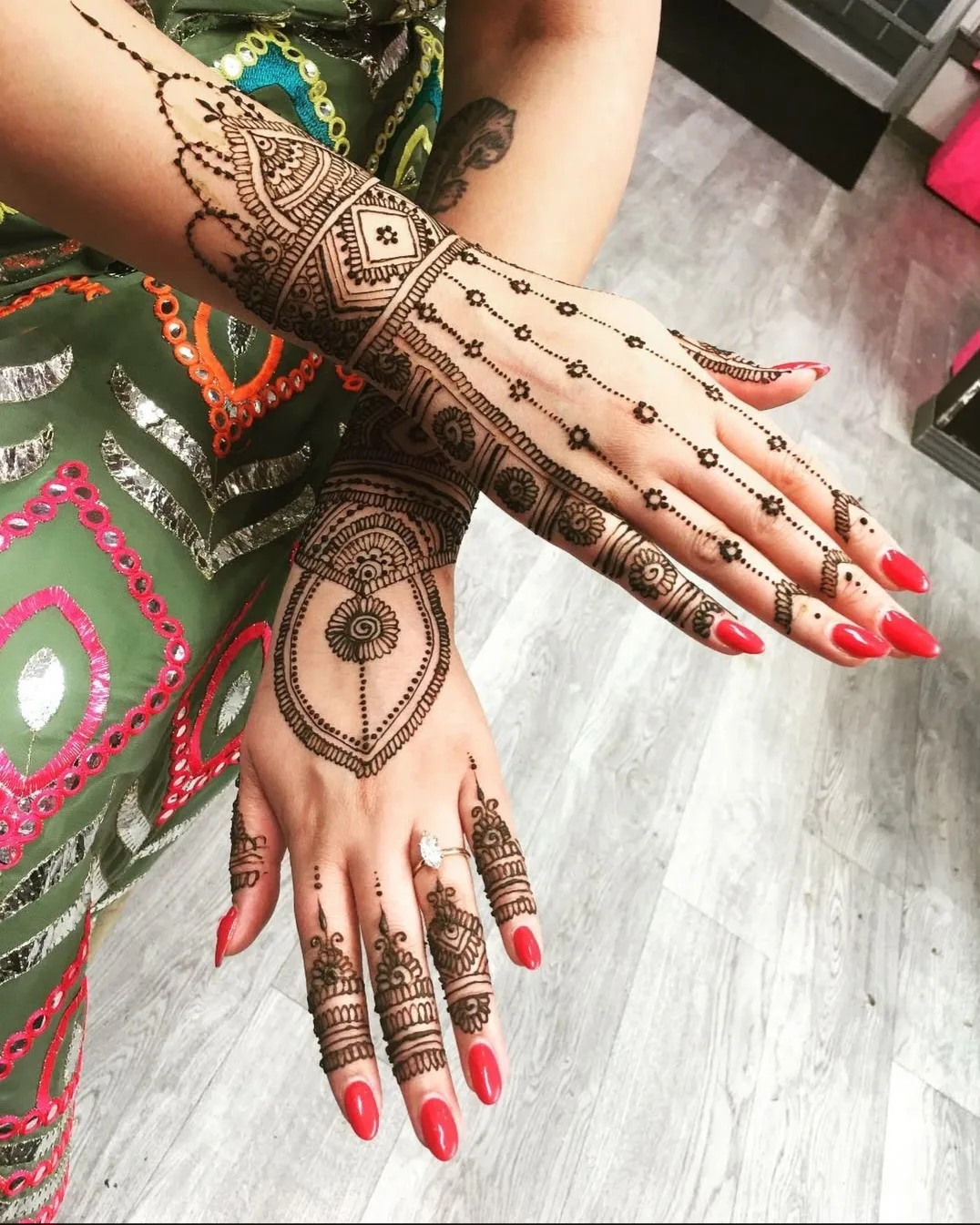
This is one of the most persistent myths I hear, and the honest answer is no — tone and stain depth are two different things. Skin TYPE (oily versus dry, thick versus thin) affects how dark a stain develops; skin TONE does not.
Here's what's really happening:
- The actual stain depth is governed by skin type and care, not tone
- Henna appears different on different tones because of contrast, not chemistry
- A deep stain on deeper skin reads more subtly; the same stain on lighter skin reads more boldly
- Both are equally "dark" in terms of dye — they just photograph and catch the eye differently
Once you understand it's a contrast effect, a lot of the confusion disappears.
How does body temperature affect your stain?
Warmth is one of the few levers you can actively pull on the day, because heat accelerates the dye reaction and the oxidation that deepens it afterward. A warmer body simply produces a better stain.
Practical ways this plays out:
- A design applied when you're warm — after a warm shower, say — tends to take better
- Bridal applications are kept deliberately cozy for exactly this reason
- In a cold Calgary winter, the "blanket and tea" approach during application genuinely helps
- Staying warm through the first night supports the colour as it develops
It's humble, low-tech advice, but warmth is real chemistry at work.
Why might your henna be lighter than your friend's?
When two people compare stains, the difference almost always comes down to the four non-henna factors rather than anything the artist did. The same cone, applied with the same skill, lands differently on different skin and routines.
The usual reasons your friend's came out darker:
- She has naturally drier skin that holds the stain
- Her aftercare was more careful
- She used less hand sanitiser in the first 24 hours
- She applied earlier in the day with more body heat
- Her paste happened to be fresher
Can you make your skin better at holding henna?
You can't change your skin type, but you can prep it to take the best stain it's capable of, because clean, healthy, well-hydrated skin binds dye more evenly. A little preparation in the days before goes a long way.
What actually helps:
- Hydrate in the days before, not just the day of
- Skip lotions and oils for about 12 hours before application
- Avoid exfoliants in the week leading up — no scrubs or acid treatments
- Apply warm, and protect the stain carefully afterward
The henna traditions handed down over generations — documented by institutions like the Natural History Museum — are full of this kind of folk wisdom about prepping skin, and much of it lines up neatly with the chemistry we understand today.
For the full routine that protects whatever colour your skin gives you, see my complete henna aftercare routine, and for the realistic timelines by body part, how long does henna last.
Book with Henna by Arooj
Curious how bridal-grade henna would look on your skin? Book a small trial or a quiet private henna appointment in Calgary, and we can test exactly how your skin chemistry takes a stain before any big day.
Frequently asked questions
Why is my henna lighter than my friend's even though we used the same artist?
Because the henna is only one variable. Your friend likely has drier or thicker skin that grips the dye better, kept her hands out of water longer, or simply had the design on a body part that stains darker. Identical paste produces different results on different people — that's the nature of a stain that develops on living skin.
Does drinking water affect henna stain?
Only indirectly. Being well-hydrated keeps skin healthy and can help it take an even stain, but hydration won't override the bigger factors — skin type, body part, dwell time, and aftercare. Don't expect drinking extra water the day of your appointment to noticeably darken your colour.
Can darker skin hold henna better?
No. Skin tone doesn't change how well henna binds — skin type does. Drier, thicker skin holds a deeper stain regardless of tone. A given stain simply reads more subtly against darker skin and more boldly against lighter skin because of contrast, which people sometimes mistake for a difference in stain depth.
Why does henna look different on palms versus the backs of the hands?
Palms have the thickest skin on the body, packed with keratin for the dye to bind to, plus warm blood flow — so they stain darkest. The backs of the hands have thinner skin and stain a shade lighter. This is exactly why bridal designs concentrate the most detailed work on the palms and fingertips.
Does age affect how dark henna stains?
It can, mildly. Skin chemistry, oil production, and circulation shift with age, and very dry mature skin sometimes holds a stain a little longer while very young, oily skin may fade faster. But the effect is small compared with body part, dwell time, and aftercare.
Can I improve my skin's ability to hold henna over time?
Somewhat. Well-hydrated, well-cared-for skin that isn't over-exfoliated takes a cleaner, more even stain. Avoiding lotions and oils right before application, skipping exfoliants in the week before, and applying when you're warm all help you get the most colour your skin is capable of.
Book your Calgary henna session
Bridal mehndi, party & event henna, and private appointments by Arooj — 100% natural henna, custom freehand designs.
View the service →Related articles
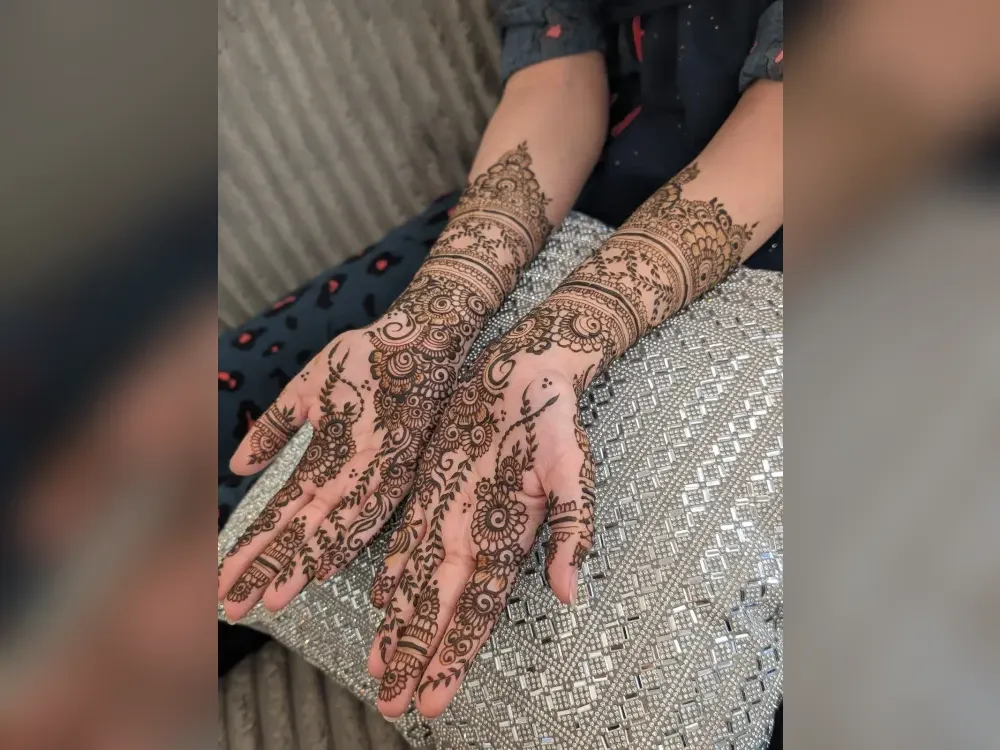
What's Actually in Natural Henna? (Ingredients, Safety, and Why It Matters)
Natural henna paste has four ingredients: henna powder, essential oils, sugar, and water. A Calgary artist explains what's really in the cone — and why chemical 'black henna' is not henna.
Read article →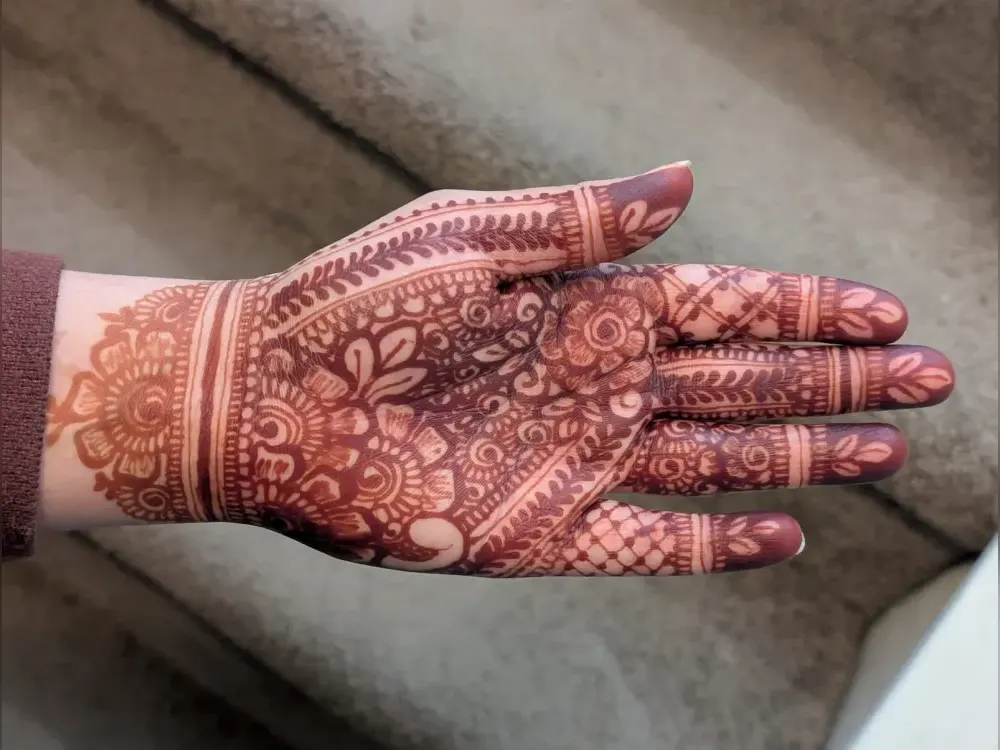
Henna vs Jagua: What's the Difference (and Which Should You Choose)?
Henna stains reddish-brown over 24–48 hours; Jagua stains blue-black within hours. A Calgary artist compares the two natural body arts — and warns why PPD 'black henna' is neither.
Read article →
The Complete Henna Aftercare Guide: Make It Last 14+ Days
Great henna aftercare follows four phases — dwell time, removal, the first 24 hours, and the week after. A Calgary artist's complete guide to making your stain last 14+ days.
Read article →